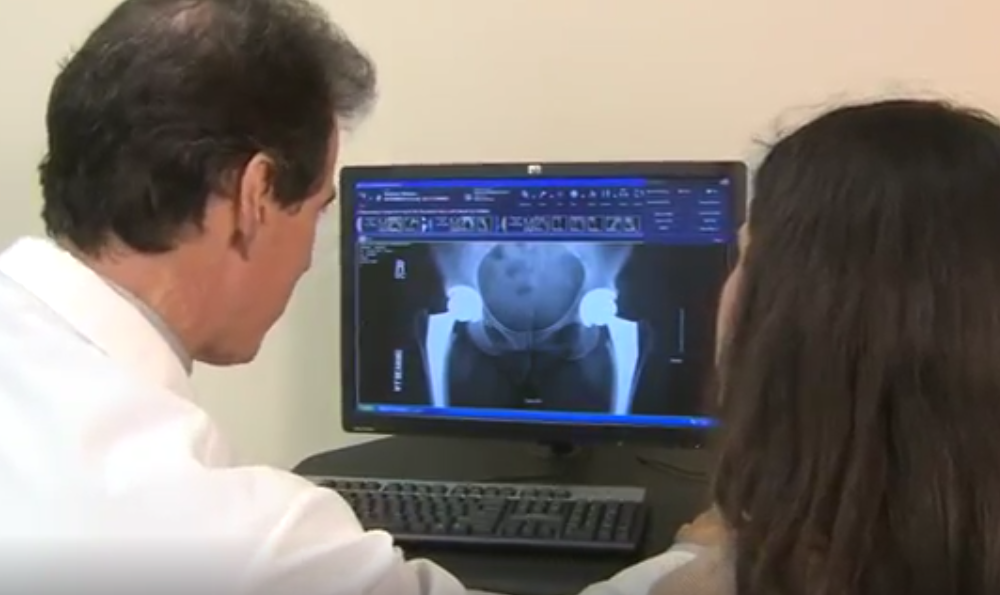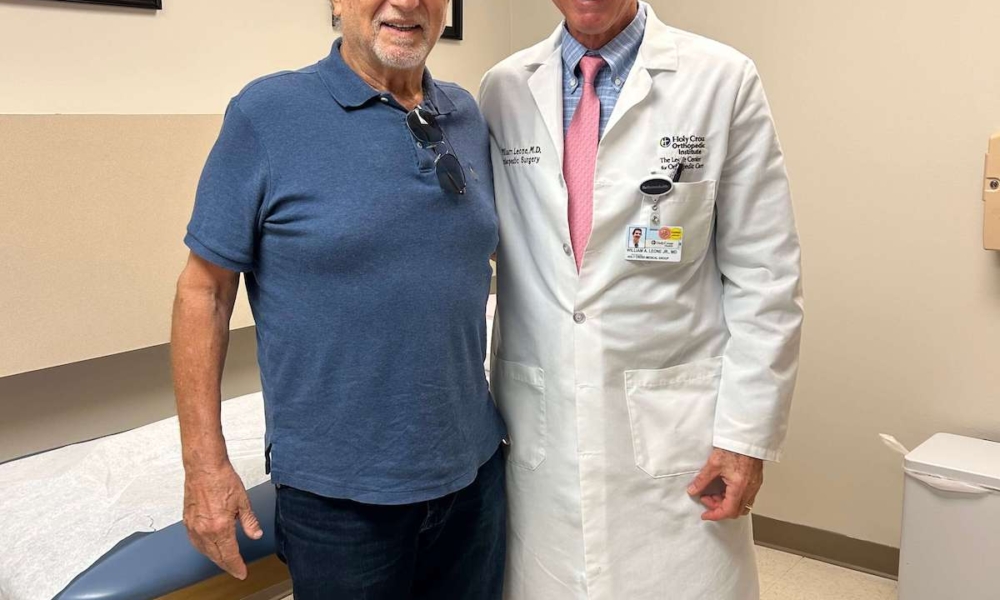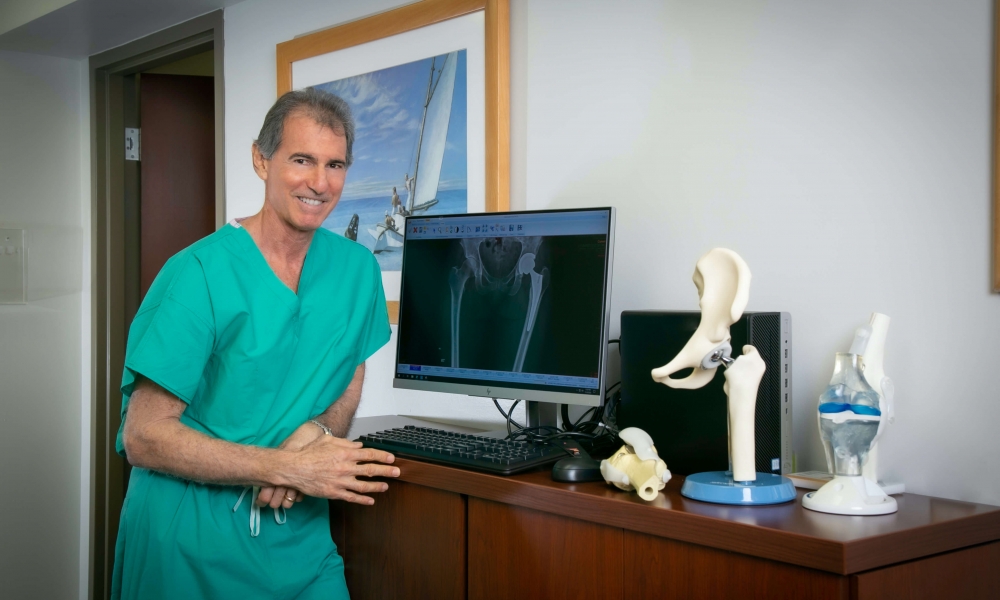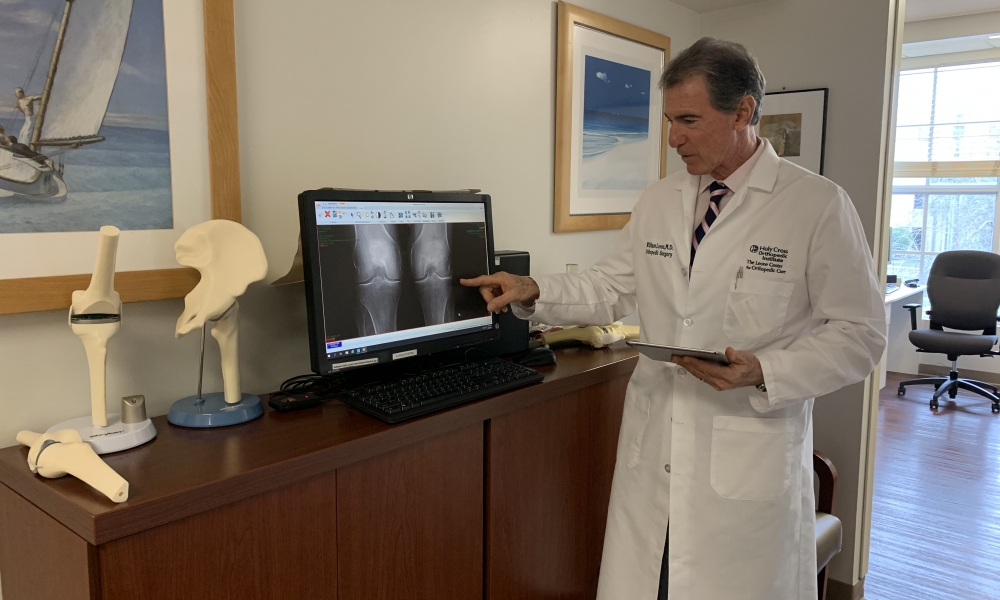
Even with all of the modern advances in surgical techniques, there can be a risk of infection with any surgical procedure. I recently posted a blog to help patients understand what causes infection and how at The Leone Center for Orthopedic Care, we follow a strict regimen before, during and after surgery that provides the best possible outcome and helps prevent infection. The following video will demonstrate how working with the Leone Center Team to prepare for your surgery and following all post-operative instructions can help you achieve the optimum results for joint replacement.

————

A common concern of patients facing joint replacement surgery is the risk of infection either during or after the procedure.  And rightly so, as even though there have been great advances in surgical techniques, infection remains a challenge.  Bacteria in our bodies usually are well controlled by our immune system, however, every precaution must be taken to prevent an infection from occurring when a prosthetic implant is introduced.

At the Leone Center for Orthopedic Care, we follow a strict regimen before, during and after surgery that provides the best possible outcome and helps prevent infection.

Part of our consultation is devoted to the pre- and post-operative care that we have designed to keep our patients healthy.  Anyone considering joint replacement surgery should speak with the surgeon and find out everything about the procedure, including what is done during the operation to prevent an infection from occurring.

Also, be sure and ask your doctor about his or her patient infection rate after performing joint replacement surgery.  I am please to say that my complication and readmission rates are three times less than my peer orthopedic surgeons throughout the country, according to Premier, a company that collects and compares health care data.  This data first became available to me in 2007 and now has been formally published.
Here are the steps we take at the Leone Center for Orthopedic Care to prevent infection before, during and after joint replacement surgery:

  • Patients are instructed to cleanse the operative site and limb the evening before and the morning of surgery with a special soap.
  • Antibiotics are prescribed for all patients prior to, during and after the procedure.
  • We counsel our patients to follow a nutritional pre-operative diet rich in iron and vitamin C to boost the immune system.
  • At the Leone Center for Orthopedic Care, all procedures are performed in Laminar Flow operating theaters which are equipped with ventilation that reduces the possibility of infection.
  • The entire surgical team wears body exhaust suits to further protect patients.
  • The experience of the entire Leone Center team facilitates minimal operation time which also reduces the risk of infection.
  • All of my surgical incisions are meticulously closed with a single stitch rather than staples, resulting in a tighter wound seal.
  • A special sterile dressing is applied that “breathes” during surgery. The result is an incision that looks like it was closed by a plastic surgeon. It also reflects my attention to detail beneath the incision.
  • I use surgical techniques to specifically address optimal and gentle soft tissue handling and balancing during both hip and knee replacements, including robotics, computer navigation and the Pelvic Alignment Level instrument, which I invented.

Lastly, experience is a major factor. I have performed thousands of successful surgeries during my more than 20-year career. Among my recognitions, Castle Connolly Medical, Ltd., a national healthcare research firm that identifies top doctors and best practices in the American medical profession has named me a Florida “Top Orthopedic Surgeon” for three consecutive years, 2010-2012.

Working with your surgeon to prepare for your surgery and following all post-operative instructions can help you achieve the best outcome for joint replacement.


Osteoarthritis is one of the common causes of hip deterioration.  If you are experiencing persistent pain in your hip that will not go away, it’s time to have a conversation with your doctor followed by a thorough examination. At the Leone Center for Orthopedic Care, a diagnosis is made for every patient based on a personal history, a comprehensive physical examination and state-of-the-art imaging. Depending on your diagnosis, treatment options can include a combination of physical therapy and anti-inflammatory medications, or in advanced cases, joint replacement surgery.  The following video will describe in more detail how we diagnose an arthritic hip joint.

I recently read an article that cited a case study from France indicating that 90 percent of the patients in the study who were runners prior to hip resurfacing procedures resumed the activity afterward.  A common perception in some circles is that hip resurfacing is the trendy option for younger patients and athletes.  Likewise, many older or more sedentary individuals may seek out this procedure because they too want to be more youthful and sporty.  I believe this study probably has more to do with patients in the survey choosing hip resurfacing because they thought that would enable them to run more successfully afterward, than the actual merits of the procedure.  In reality, patients with total hip replacements can resume the activities they enjoy just as easily as those who have had hip resurfacing.

Hip resurfacing, unlike total hip replacement surgery, is a procedure that reshapes the damaged hip ball, which then is capped with a metal prosthesis.  The damaged hip socket also is fitted with a metal prosthesis. The socket used with resurfacing is a one-piece cup with its inner surface polished.

Most modern day sockets used in total hip replacements are composed of two main components: a metal socket into which bone grows and a plastic liner. This is an important distinction because if for some reason the hip fails and more surgery is necessary, the entire socket in a resurfaced hip most likely will need to be removed and replaced with a new one. If a total hip replacement fails, requiring more surgery to revise the socket, it is designed so that only the plastic liner has to be revised, not the metal shell.

Another reason why hip resurfacing has attracted younger patients is because less bone is removed from the femur with a hip resurfacing procedure than with a total hip replacement. This is important because if the resurfaced hip fails, then having more femoral bone available will make the femoral revision easier. But, unfortunately, because the all-metal socket will need to be removed, there often is more bone loss on the socket side.  As a hip revision specialist I can tell you that it often is easier to deal with bone loss on the femoral side than on the socket side.

Also, the procedure to do a hip resurfacing actually is more complex and the dissection much more extensive than with total hip replacement surgery.

These reasons alone might make you rethink hip resurfacing, yet there is an additional reason why many orthopedic surgeons, including myself, have stopped performing this procedure.  As head of the Leone Center for Orthopedic Care, my main concern about hip resurfacing is the potential complication associated with the metal-on-metal bearing that is required for this procedure.  For all patients with this metal-on-metal articulation, there is increased cobalt and chromium accumulation in the body. In a small percentage of patients, the wear between the metal ball and the metal socket is accelerated and this can result in marked increased levels of metal particles locally at the hip joint and the surrounding tissue as well as throughout the body. Locally, this metal accumulation can result in massive soft tissue damage.  Although not fully studied and documented at this time, the ramifications of this increase in metal particle level in other parts of the body is of concern to those in the medical community.

As a specialist in hip reconstruction surgery, I am concerned that the accumulation of metal particles has the potential to cause so much local soft tissue damage that the results of the final reconstruction are greatly compromised.  Simply, I do not feel it is worth the risk.

Hip resurfacing also is not for older patients or those with conditions including osteoporosis, impaired kidney function, known metal hypersensitivities, diabetes, or for women or anyone with small bones because of the increased risk of bone fractures. Women who are pregnant or may get pregnant in the future should not consider hip resurfacing because of the concern that increased metal ions may cross the placenta to fetus.

In the United Kingdom, hip resurfacing is not being used at all for women because of the increase in early failure rates.  Because there is a potential for patients to develop conditions such as osteoporosis or diabetes as they age, that’s another reason I choose not to use metal-on-mental prostheses.

Perhaps most enlightening is that hip resurfacing does not rule out the eventual need for a total hip replacement. In fact, there are advantages to having total hip replacement surgery even for younger patients because if done correctly, this procedure gives the patient a better range of motion, there is no risk from use of metal-on-metal prostheses and most importantly, we are finding most active patients can resume the sports, such as running, in which they had participated prior to surgery just as well those who have had hip resurfacing. Opting for the safest, most effective procedure greatly increases the chance for a successful outcome.

I feel strongly that the benefits of any new procedure must offset the risks and in my opinion, the benefits of resurfacing with metal-on-metal bearings do not, especially when total hip replacement, a well proven alternative, is available and has such an excellent track record.

Fifteen years ago, partial and total knee and hip replacements mostly were considered last-resort surgeries for elderly patients who otherwise would be confined to wheelchairs.  Since then, a combination of technical advances and cultural changes has broadened the audience seeking treatment for complex joint issues.

At the Leone Center for Orthopedic Care, I am seeing more patients at an earlier age for whom treatment is about restoring more than just mobility, but also lifestyle. Patients today want to get back active lives, which often include sports such as tennis and jogging.

At the American Academy of Orthopaedic Surgeons annual meeting, a study was presented indicating that more than 4.5 million people in the U.S. have had knee replacement surgery and that joint replacement surgeries have more than doubled over the past 10 years.

Today, about half the patients who require hip and knee replacements are younger than 65.  Knee replacements in patients ages 45 – 54 are projected to increase from less than 60,000 in 2006 to nearly a million by 2030.

So what’s changed?  Enter the midlife baby boomers who over the past decade have widened the patient audience and created a marked shift in the age of patients seeking treatment for a variety of joint issues.  While osteoarthritis and obesity still rank most highly as causes for joint deterioration, baby boomers have grown up thinking they could continue rigorous physical activity well into middle age and beyond. They did not consider the wear and tear on their joints.

Younger, active patients tend to ask more in-depth questions and also are more insistent than many older patients about being able to return to sports and other activities after surgery.  Due to improvements in implant designs, prosthetic materials, surgical techniques and often less recovery time, the medical community is more confident in recommending partial and total joint replacement surgeries for younger patients.  And, patients are demanding it.

Joint replacement still is a serious surgery; however, surgical techniques are so much more refined and the surgeries are so much less invasive that we are more liberal about post-operative patients returning to activities sooner, within reason.

One of my patients in her mid 40s, who required a total hip replacement, is now back to dancing, her lifelong hobby.  She now is learning partner lifts and other ballroom dance moves that she would not have been able to do prior to her surgery. She told me she now is able to exercise and look forward to something “fun” everyday.

For me as a surgeon, seeing a picture of her doing a lift with her instructor speaks volumes.  Joint repair and replacement surgery is not just about restoring mobility anymore.  It’s about giving people back a quality of life and the ability to fulfill their dreams and ambitions.

Some of the most common questions that our patients have prior to surgery are in regard to the possible need for a blood transfusion during the operation.  At the Leone Center for Orthopedic Care, we welcome such questions as part of our patient-care philosoply. We want you to fully understand all aspects of your surgery and be completely prepared before the procedure takes place.

According to the National Heart, Lung and Blood Institute, U.S. Department of Health & Human Services, almost five million people in the U.S. require blood transfusions annually. The procedure is used for people of all ages, typically for severe injuries from accidents, critical illnesses and blood loss during surgery.

One of the major changes that I’ve seen over the past few years is a highened insight or sensitivity that a transfusion is really a transplant of multiple living cells that we hope will function to deliver oxygen to the body’s tissues. We regard it as any other transplant.

Below are three questions we often are asked about blood transfusions:

  • Is a blood transfusion always necessary during surgery?
    • The answer is no.  Actually, a much smaller percentage of our patients are transfused now as compared with several years ago.
    • Modern surgical procedures, techniques and the medical community’s knowledge about the body’s need for replacing blood loss during surgery have changed. This current thinking has greatly reduced the need for transfusion.
    • Previously it was thought that a transfusion was necessary if hemoglobin levels dropped below 10 g / dL (grams of hemoglobin in a deciliter of a blood sample). We now have the confidence to allow hemoglobin levels to drop as low as 7 or 8 g / dL before we consider a transfusion, as long as our patient clinically is tolerating the lower level and doesn’t have any other conditions which might raise the threshold, such as coronary artery disease.
    • We now concentrate on increasing intravascular fluid or volume to maintain a feeling of vitality and blood pressure, and allow the body to naturally regenerate the lost red cells.
    • Because our techniques are much more refined and most patients have their surgeries with regional (spinal) anesthesia, blood loss during surgery usually is minimal and much less than has been in the past.
    • Instead, surgial patients are encouraged to increase their hemoglobin levels pre-operatively with iron supplements and a healthy diet.
    • Occassionally, patients are directed to increase their pre-operative hemoglobin levels with Erythropoitin, a prescribed hormone that regulates red blood cell production.
  • Is blood from a donor bank safe?
    • The risk of AIDS or other viruses from a blood transfusion are very low. Because of the stringent screening and testing processes in place today, your chance of being transfused with blood that carries HIV is about one in two million, lower than your chance of being struck and killed by lightning.
    • In spite of this low risk, it still is better to avoid a transfusion whenever possible from either a blood bank or from your own donated (autologous) blood.
  • Are there benefits to donating your own blood for use prior to surgery?

Previous thinking by the medical community was that your body would respond better to being transfused with its own blood, with the crucial benefit being no risk of reaction to foreign antigens, which are substances that cause your immune system to produce antibodies to fight them.  However, it has been recognized that a person’s own blood doesn’t necessarily benefit the system any more than blood from an outside donor source. In fact, there can be drawbacks to using your own blood for transfusion:

  • Historically it was thought that if you donated your own blood, then the cells within our bone marrow that make blood cells would be reveved up quickly to replace it. Now we realize that this is not the case as it takes six to eight weeks for your body to replenish one unit or pint of blood that you donate.
  • Also, the general concensus used to be that being transfused with your own blood would be safer and more advantageous than blood from a blood bank. We now know that this is not necessarly true. The longer the cells that you donate are out of your body, the less well they will function in terms of delivering oxygen to your tissues. There also is a risk of infection, either from contamination during processing or delivery. Or, if you have any undetected bacteria during the donation, that potentially could cause an infection later during the transfusion.
  • There still are certain indications or benefits in donating your own blood, but self-donatinon is much more selective  than it was a few years ago.

Donating your own blood can be costly, at approximately $700 per unit. Insurance does not always cover the expense. It’s also time consuming and there are far fewer places to donate now that it is done less frequently.

  • What I see now clinically is that because so few patients donate their own blood, they are going into the operating room with much higher hemoglobin levels, further decreasing the need to transfuse.

As you approach any surgery, it is most important that you feel confident in your surgeon and that all of your questions have been answered, so that you are fully prepared for the procedure.


The human body’s “shared wiring” can intermingle and cause unusual effects, especially with regard to pain. At the Leone Center for Orthopedic Care, we sometimes see patients who are experiencing what commonly is known as “referred pain” or persistent pain in one area of the body that actually is caused by injury, weakness or arthritis in a completely different location.

Referred pain most typically occurs in the joints and can be common for people who suffer from osteoarthritis.  For example, people with osteoarthitis in the hip often complain of intense knee pain, totally unaware that it’s not the knee at all that is the culprit, but rather the hip, which may not even hurt at all.

Not surprisingly, certain types of back injuries including disk compression and arthritis in the spine also can cause referred pain to the hip, the knee or both.

If you are experiencing persistent pain in the hip or knee, the only way to diagnose exactly where the problem lies is to have a thorough history and examination, which often includes an X-ray, to determine the source and cause of the pain.

What you can do is keep track of your pain and its characteristics. For example, is your pain constant or intermittent, worse in cold or damp weather or after having been still for a long period of time?  Is your pain related to activity like walking or getting up from a seated position? Does the pain wake you from your sleep? Take notes and then discuss all of your symptoms with your doctor.

Depending on your diagnosis, treatment options can include a combination of physical therapy and anti-inflammatory medications, or in advanced cases, joint replacement surgery.

Persistent joint pain should not be ignored, because if left untreated you could be causing further, irreparable damage to your joints.  More importantly, there are treatments to help you regain your quality of life, in some cases totally pain free.

Recently the FDA released a statement of concern about hip replacements performed with a metal-on-metal bearing. The metals used in these prostheses include chromium and cobalt. There had been a recent surge in usage by many orthopedic surgeons because preliminary information suggested that metal-on-metal was more durable and therefore potentially more long-lasting then other bearing surfaces. Unfortunately, this is proving not to be the case.

In the past I have used metal-on-metal bearings only in select patients on whom I performed hip resurfacing, as this was the only bearing available for that procedure.  However, I have all but stopped doing hip resurfacing because of my concerns with metal-on-metal as well as other problems associated with this procedure. I don’t think the potential benefits of using a metal-on-metal articulation outweigh the known and significant risks.

I have avoided metal-on-metal hip replacements because it may increase the potential risk of soft tissue destruction around the hip and throughout the body. In my opinion, the potential for a longer lasting hip — which has not been proven — is not justification for the possible damage and long-term consequences of having increased levels of cobalt and chromium released in the body.

Problems associated with use of metal-on-metal hip replacements include tissue and bone damage and in some cases infection.  All artificial joints shed tiny pieces of debris and researchers believe that particles released by all-metal hips cause the body’s protective tracking cells to convert the debris into metallic ions, which ultimately can cause a chain reaction and destroy tissue and muscle. The metal ions potentially can trigger a hypersensitivity reaction and cause problems associated with the kidneys and worse.

Some 500,000 people in the U.S. have received all-metal hips over the past decade.  Now there are reports that patients with metal-on-metal artificial hips intended to last 15 years or more are experiencing early prosthesis failure in as little as two years.  Studies also predict that these numbers will rise.

According to the New York Times, the FDA received more than 5,000 reports about all-metal hip problems during the first six months of 2011.

I prefer to use a metal or ceramic femoral head against highly crossed-linked polyethylene. Highly crossed-linked polyethylene has become the gold standard for implants as evidenced by the fact that all the major implant companies now produce it and tout its benefits. The wear characteristics are much, much better than conventional or non-highly crossed-linked polyethylene. Plastic wear debris still is produced, but the amount is much smaller and the consequences of this debris are much better understood.

We encourage anyone who has had an all-metal hip replacement to have a check-up as sometimes tissue destruction occurs although the patient has no obvious symptoms such as pain.

At the Leone Center we are prepared to treat people suffering from problems associated with all-metal hip replacements and provide solutions with safer, more durable outcomes.

At the Leone Center for Orthopedic Care, we define our Concierge Medicine practice as a personal, in-depth relationship with our patients where they feel the concern and experience the care of good old-fashioned medicine, while benefiting from our entire team’s experience and my expertise and use of the latest and most proven techniques for solving complex hip and knee problems, including hip and knee replacement surgery. I have specialized in orthopedic surgery and practiced at top-ranked Holy Cross Hospital in Fort Lauderdale, Fla. for more than 20 years.  During the past 10 years, I have performed 500 to 600 joint replacements a year.

The concept of Concierge Medicine, also known as Direct Care, dates back to 1966, when several physicians in Seattle created a patient/physician relationship in which the patient would pay an annual fee or retainer for care.  Their idea was to provide highly attentive care, modeled after the family doctors of the past who made house calls and were able to see patients and treat them without delay. Depending on the contract, a Concierge agreement retainer may or may not be in addition to other medical charges.

The benefits of the Leone Center Concierge Medicine approach begin with the initial consultation and are carried through to post-operative care.  Our patients are guaranteed increased availability with me and my entire staff.  Patients are able to make an appointment within two weeks and are assigned a designated patient liaison.

When you arrive for your appointment, you receive immediate personal attention at the Leone Center’s beautiful new office at the Holy Cross HealthPlex, beginning with the offer of a cup of herbal tea.  We then honor your appointment time as we know and respect that your time is valuable. Our goal is to achieve superb clinical outcomes for patients while respecting their dignity and time, and by making the entire experience as pleasant, comfortable and hassle-free as possible.

The Society for Innovative Medical Practice Design estimates that today there are about 5,000 physicians nationwide using various models of Concierge Medicine for their practices and the trend is growing.  More people are taking control of their own healthcare today than ever before, having grown tired of long wait times to get an appointment and long hours waiting to be seen on the day of an appointment. Patients also want more availability with the physicians on whom they depend.

At the Leone Center, we work together as a team to assure that our patients receive personalized, attentive care and help them return to normal, active lifestyles. Our commitment is to meet and exceed patient expectations and provide the best environment for a positive experience.

The science and technology of joint replacement continue to evolve, so it is no surprise that patients have many questions and concerns as they navigate the process of finding the right orthopedic surgeon and determining the best approach to achieving the outcomes they desire. To begin the process, here are five important questions you should ask to find the right surgeon for you.

1. How many surgeries of this type have you performed?

An orthopedic surgeon who is highly experienced in the type of surgery you require brings valuable expertise and typically has built an experienced team to assist with all aspects of patient care, from the new patient interview through post-operative care. Working with a skilled, well-coordinated team of healthcare professionals goes a long way in addressing unexpected situations and assuring a calm, reassuring and successful experience.

2. What is your infection rate?

Ask the orthopedic surgeon if he or she has a recent complication rating from a reputable company that compares healthcare data. Preventing infection is a priority after joint replacement, as with all surgeries. Infection can impact the new joint, even necessitating additional surgery and removal of the prosthetic joint.

3. What is your incidence of short- and long-term complications?

Talk with the orthopedic surgeon about the surgical and operating techniques that will be used. Low infection rates, minimal complications, and successful outcomes are more assured when the operating theater is equipped with ventilation that reduces the number of infective organisms in the air and the entire surgical team wears body exhaust suits to reduce the risk of infection.  The orthopedic surgeon should have a rating to share with you.

4. How long have you used your current prosthesis, and what are your reasons for having selected it?

An orthopedic surgeon should know from personal experience with and repeated use of any prosthesis, which are optimal, safe, long lasting and provide the best results.

5. What level of attentive care can I expect throughout my surgical experience?

Most importantly, you need to feel comfortable not only with the orthopedic surgeon but with the entire staff as well. Don’t be afraid to ask questions such as:

  • Will I be able to make an appointment within a reasonable amount of  time?
  • How will I be able to ask questions and will they be answered in a timely manner?
  • How will the surgeon and staff make the entire experience as comfortable and easy as possible?

The candid discussion you have with an orthopedic surgeon to familiarize yourself with the benefits and risks of your surgery may be the most pivotal part of your care.